
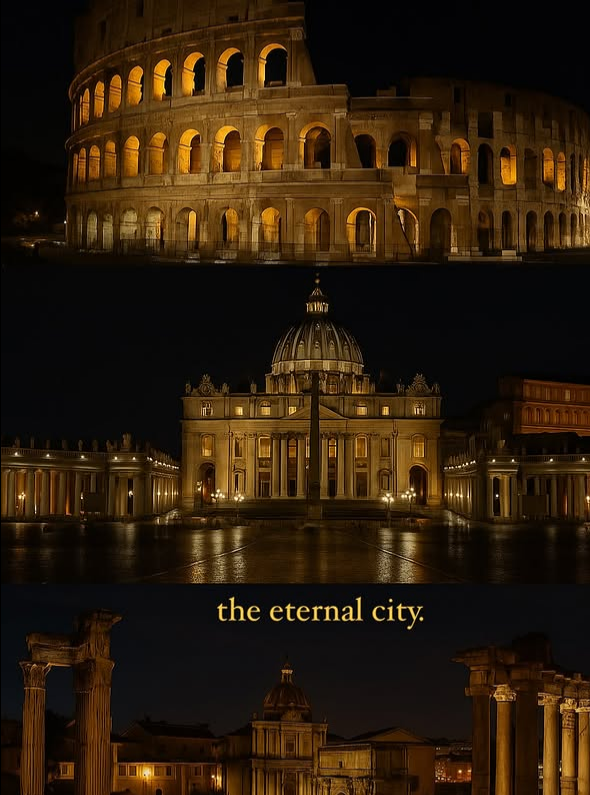
Rome—where history breathes through ancient ruins, grand basilicas, and cobbled streets. Whether it’s your first time visiting or your fifth, the Eternal City never fails to impress. From iconic landmarks like the Pantheon and Colosseum to lesser-known gems like Trastevere and Castel Sant’Angelo, Rome offers a blend of history, art, food, and unforgettable experiences.
Here’s a complete guide to the best things to do in Rome, with practical tips and highlights to help you plan the perfect Roman adventure.
1. Step Back in Time at the Pantheon
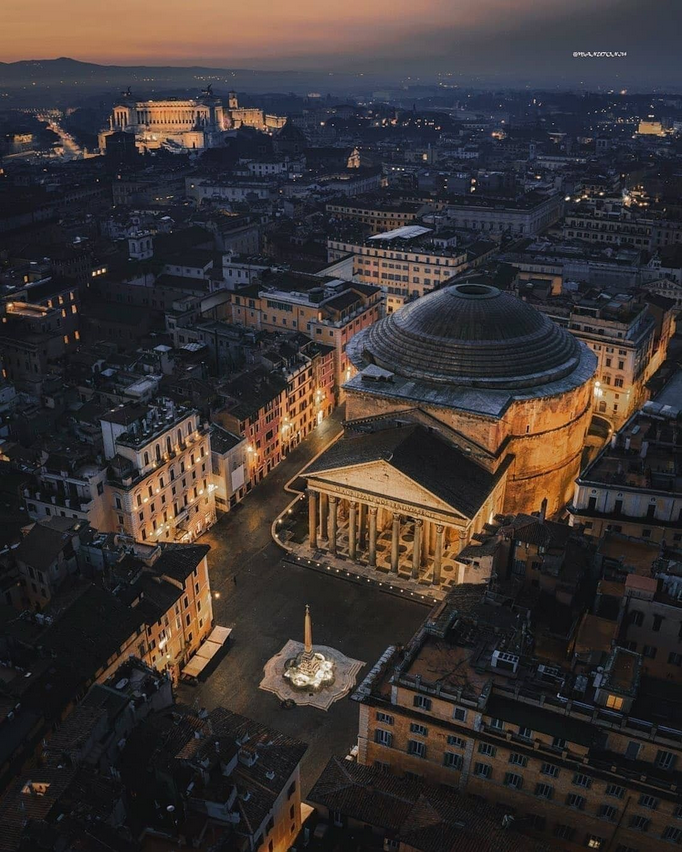
The Pantheon is one of the best-preserved ancient buildings in Rome and a must-visit. Originally built as a Roman temple around 609 AD, it was later converted into a Christian church. The exact date of its original construction remains uncertain, but its grandeur is timeless.
What makes the Pantheon truly unique is the oculus—a massive circular opening in the center of the dome. This architectural wonder lets natural light pour into the space and was believed to provide a direct connection to the heavens.
“Pantheon” in Greek means devoted to all gods, and before its Christian transformation, it served as a place of worship for all Roman deities. Today, stepping inside the Pantheon feels like touching the soul of ancient Rome.
2. Eat Like a Roman: Must-Try Foods in Rome

No trip to Rome is complete without indulging in authentic Italian cuisine. Whether you’re sitting at a cozy trattoria or grabbing something quick from a local bakery, the food here will leave you in awe.
Try traditional Roman dishes like:
- Carbonara – A creamy pasta made with eggs, cheese, pancetta, and pepper.
- Cacio e Pepe – A simple but flavorful pasta dish made with Pecorino Romano and black pepper.
- Fresh seafood – Thanks to Rome’s proximity to the coast (just 45 minutes away), you’ll find delicious shrimp, calamari, and more.
- Gelato – Italy’s famous ice cream in countless flavors.
- Pizza bianca – A fluffy, salty Roman street snack you can find in bakeries.
- Salami and fresh cuts – From butchers dotted around the city.
- Crisp vegetables and sweet citrus fruits – Often available in vibrant farmers’ markets.
Food is a major part of Roman culture, and every bite tells a story of the city’s rich past and local pride.
3. Discover Art and Fountains at Piazza Navona
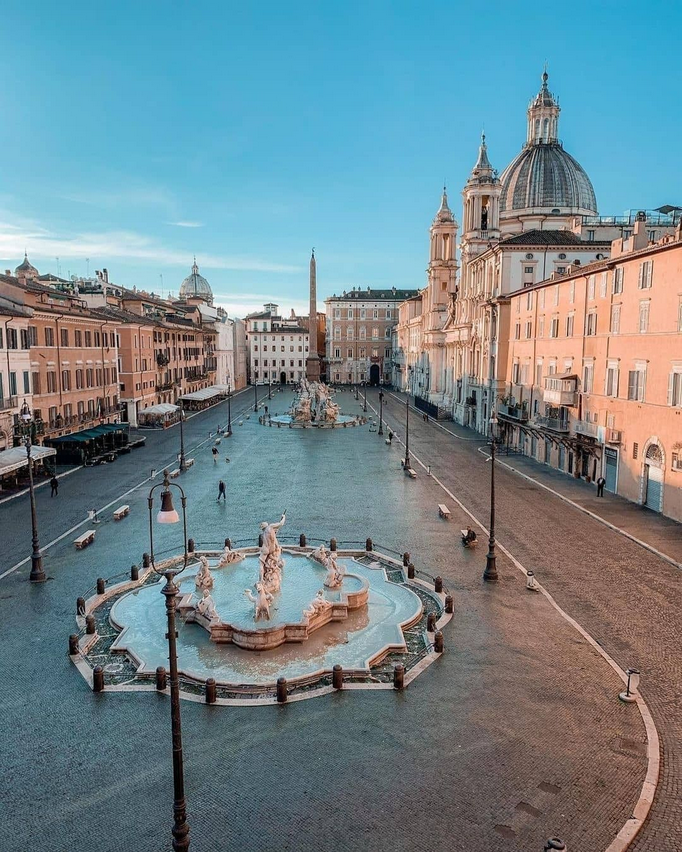
Piazza Navona is one of Rome’s most picturesque squares and a treasure trove of Baroque art. Built on the ruins of Stadium of Domitian, which dates back to the 1st century AD, this lively square is a favorite for locals and tourists alike.
While wandering around, don’t miss the three stunning fountains:
- Fontana dei Quattro Fiumi (Fountain of the Four Rivers) – Designed by Bernini, it symbolizes four major rivers of the continents.
- Fontana del Moro
- Fontana del Nettuno
With cafés, street artists, and musicians all around, it’s a fantastic place to sit, sip a cappuccino, and people-watch.
4. Toss a Coin in the Trevi Fountain
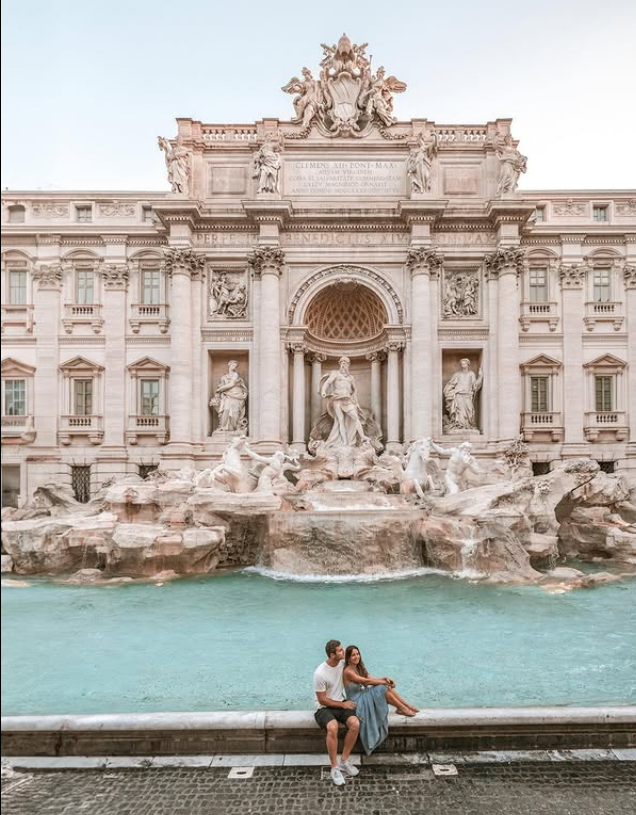
One of the most iconic spots in Rome, the Trevi Fountain is as grand as they come. Built in the 18th century, this masterpiece stands 86 feet tall and 161 feet wide.
Legend says tossing a coin over your shoulder into the fountain ensures your return to Rome. Whether you believe it or not, don’t skip the experience—it’s magical, especially at night.
The name Trevi comes from the Latin word trivium, meaning the intersection of three roads, which met at this location and fed the ancient Aqua Virgo aqueduct.
5. Visit Castel Sant’Angelo and Cross the Angel Bridge
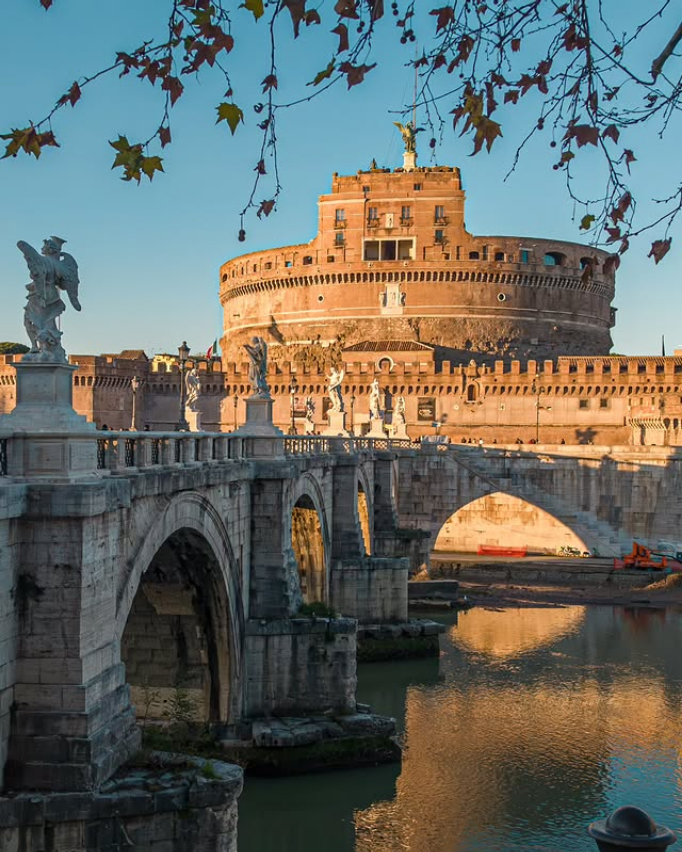
Originally built as a mausoleum for Emperor Hadrian in the 2nd century, Castel Sant’Angelo later became a fortress, castle, and even a papal residence.
Walk across the stunning Ponte Sant’Angelo, a bridge adorned with angel statues, and soak in the views of the Tiber River. Today, the castle houses a museum where you can explore Renaissance interiors, secret passageways, and panoramic terraces.
6. Stand in Awe at the Colosseum
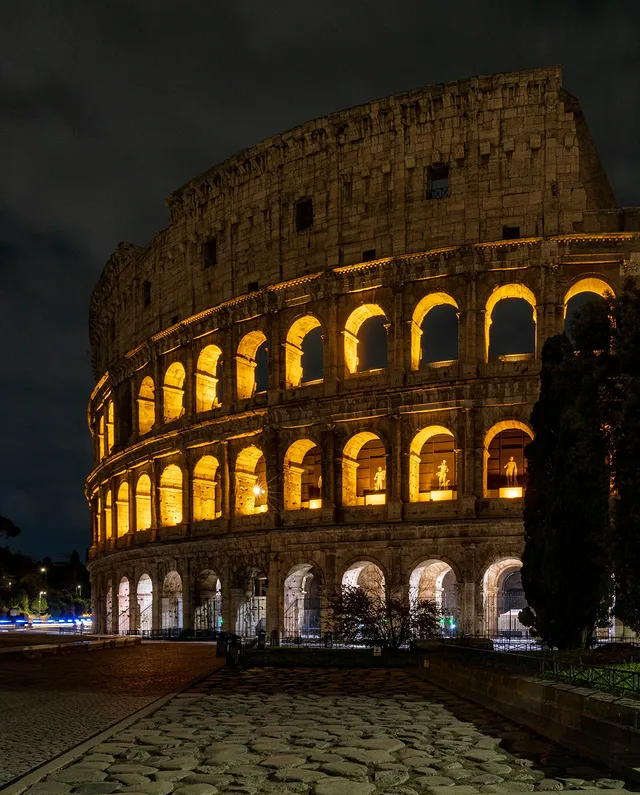
The Colosseum is arguably Rome’s most famous landmark. Constructed in 80 AD under Emperor Vespasian, this elliptical amphitheater once hosted gladiator fights, animal hunts, and dramatic spectacles.
Built using volcanic rock and Roman concrete, it could seat up to 60,000 spectators. Standing inside the Colosseum gives you a vivid sense of ancient Rome’s grandeur, power, and love for entertainment.
7. Stroll Along the Tiber River
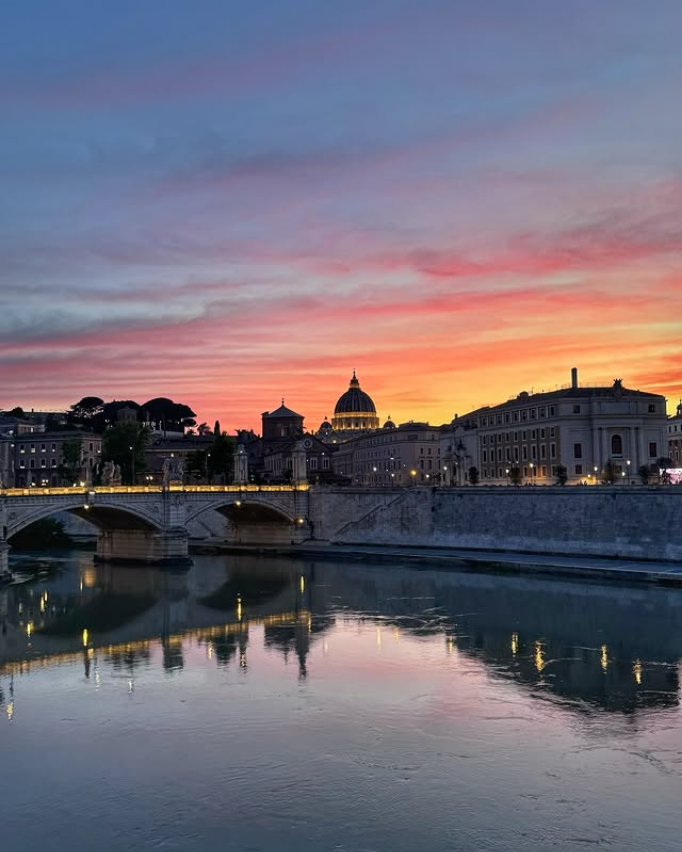
The Tiber River has long played a crucial role in Rome’s development. Walking along its banks offers peaceful views and glimpses of the city’s history.
In spring, the riverside blooms with flowers, making it a perfect time for a river cruise or a leisurely walk. The bridges over the Tiber connect some of Rome’s most historic districts, and you’ll often find pop-up book markets or music festivals nearby.
8. Marvel at St. Peter’s Basilica and Square
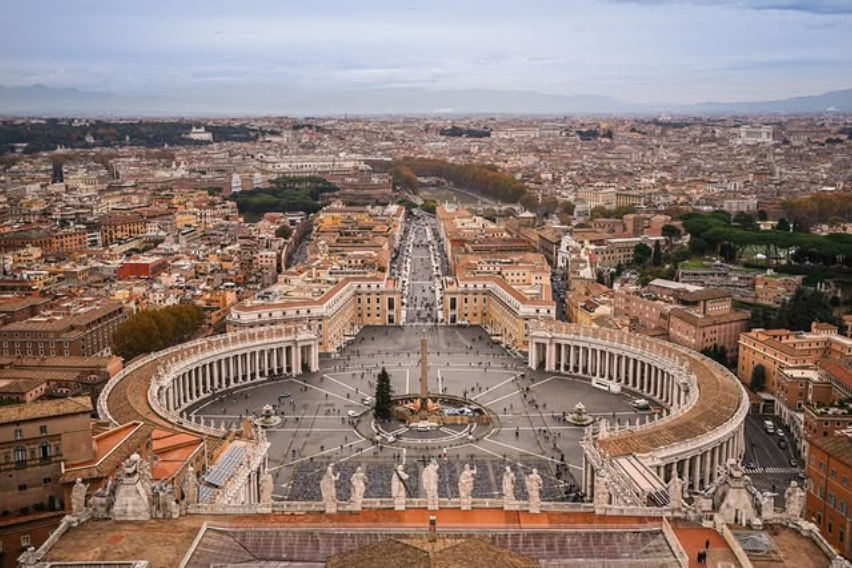
Located in Vatican City, St. Peter’s Basilica is one of the holiest Catholic sites in the world. Built between 1506 and 1626, it took 120 years to complete and stands as a triumph of Renaissance architecture.
Climb to the dome for panoramic views or explore the interiors adorned with works by Michelangelo and Bernini.
Outside, St. Peter’s Square is the site of papal audiences and major Catholic events. It’s also believed to be the burial site of Saint Peter, one of Jesus’ apostles and the first pope.
9. Explore the Vatican Museums & Sistine Chapel
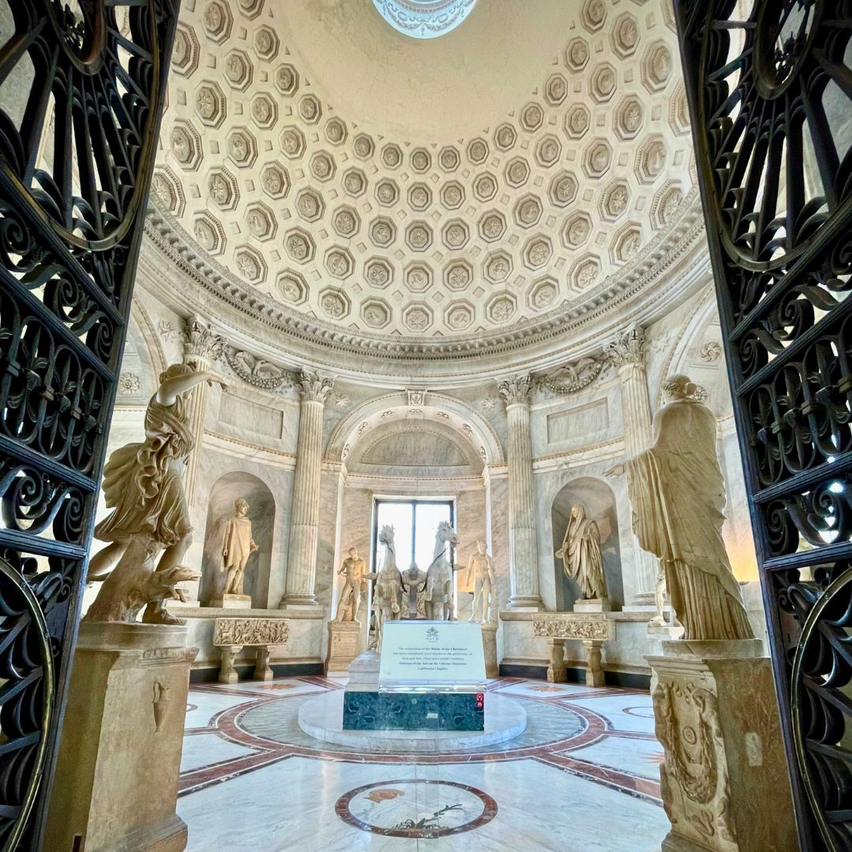
Your trip to the Vatican wouldn’t be complete without visiting the Vatican Museums—a collection of 26 different galleries and historical spaces.
Top highlights include:
- The Sistine Chapel, featuring Michelangelo’s iconic ceiling.
- The Gregorian Egyptian Museum
- The Carriage Pavilion
- The Raphael Rooms
- The Spiral Staircase
Make sure to carry your passport, as Vatican City is a separate country. Plan ahead and book your tickets in advance—it gets crowded, and you’ll want time to fully explore.
10. Wander the Charming Streets of Trastevere
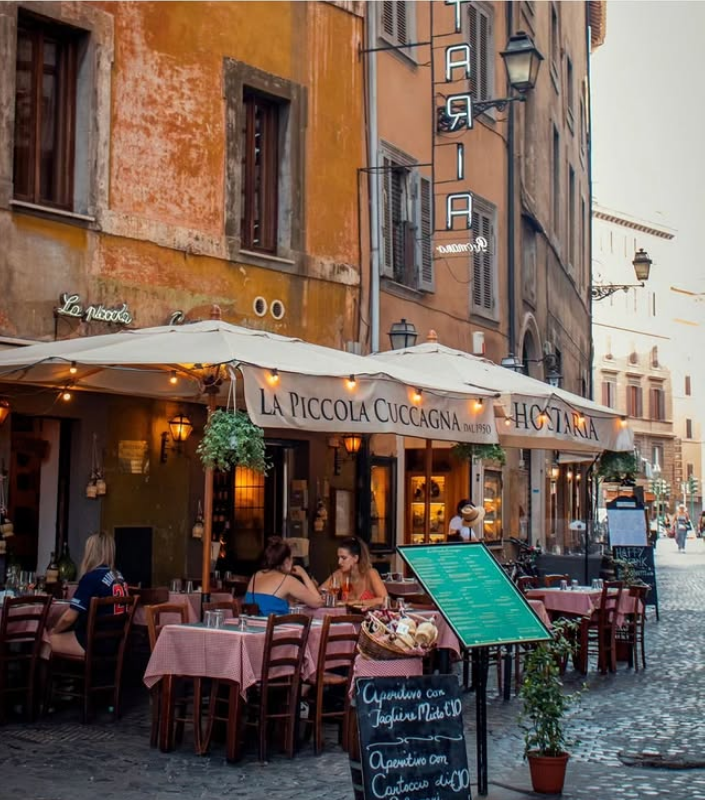
Across the Tiber from central Rome lies Trastevere, a bohemian neighborhood filled with lively bars, charming alleyways, and authentic Roman eateries.
This is where you’ll experience Rome’s vibrant local life, away from the big crowds. Grab an aperitivo, enjoy dinner under fairy lights, and listen to live music echoing through centuries-old buildings.
If you want a truly immersive Roman stay, book a hotel or Airbnb in Trastevere. It offers great access to both the historic center and nightlife.
11. Visit the Altare della Patria (Vittoriano)
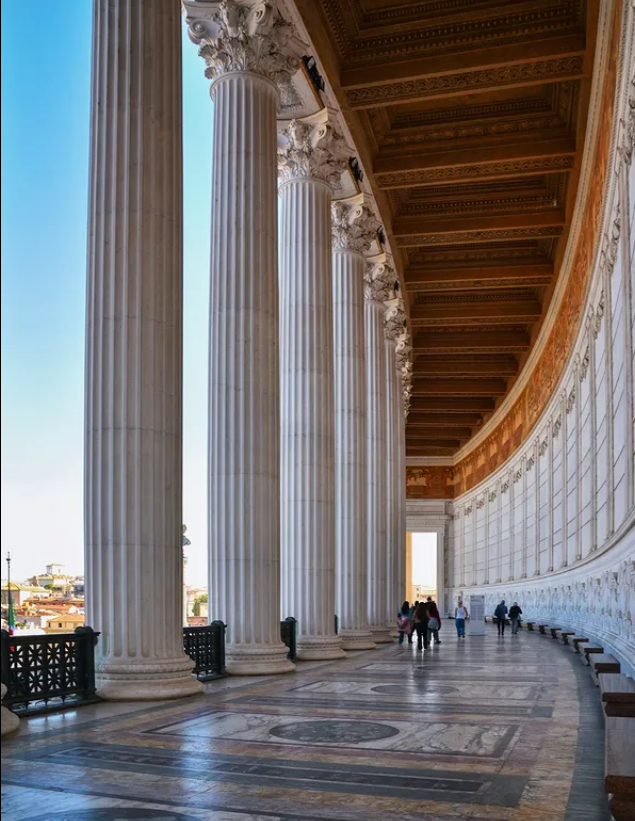
The Altare della Patria, also known as the Vittoriano, is a monumental white building dedicated to Victor Emmanuel II, the first king of a unified Italy. Located in Piazza Venezia, it offers incredible views from the top and is easily combined with a visit to the nearby Roman Forum.
Look out for the large Egyptian obelisk in the square—it’s a good landmark when navigating the area.
12. Walk Through the Roman Forum and Circus Maximus
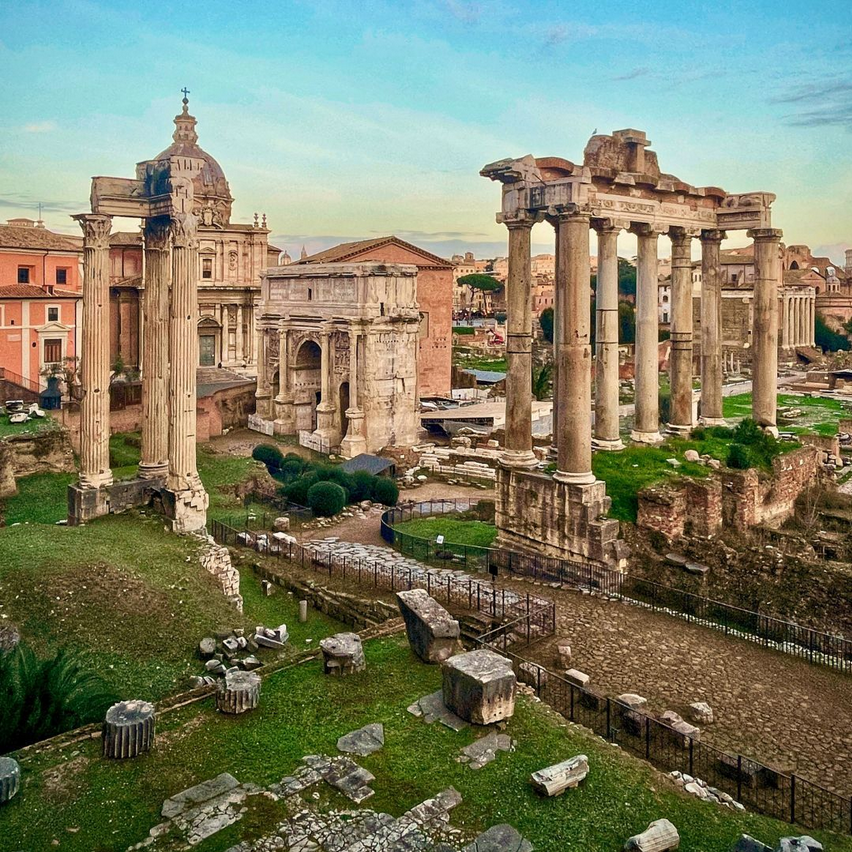
End your Roman adventure with a walk through the Roman Forum and Circus Maximus—two legendary archaeological sites that were once the epicenter of ancient Roman life.
Here you’ll find crumbling columns, temples, arches, and markets that paint a vivid picture of what life was like during the Roman Empire. For history lovers, this is pure heaven.
